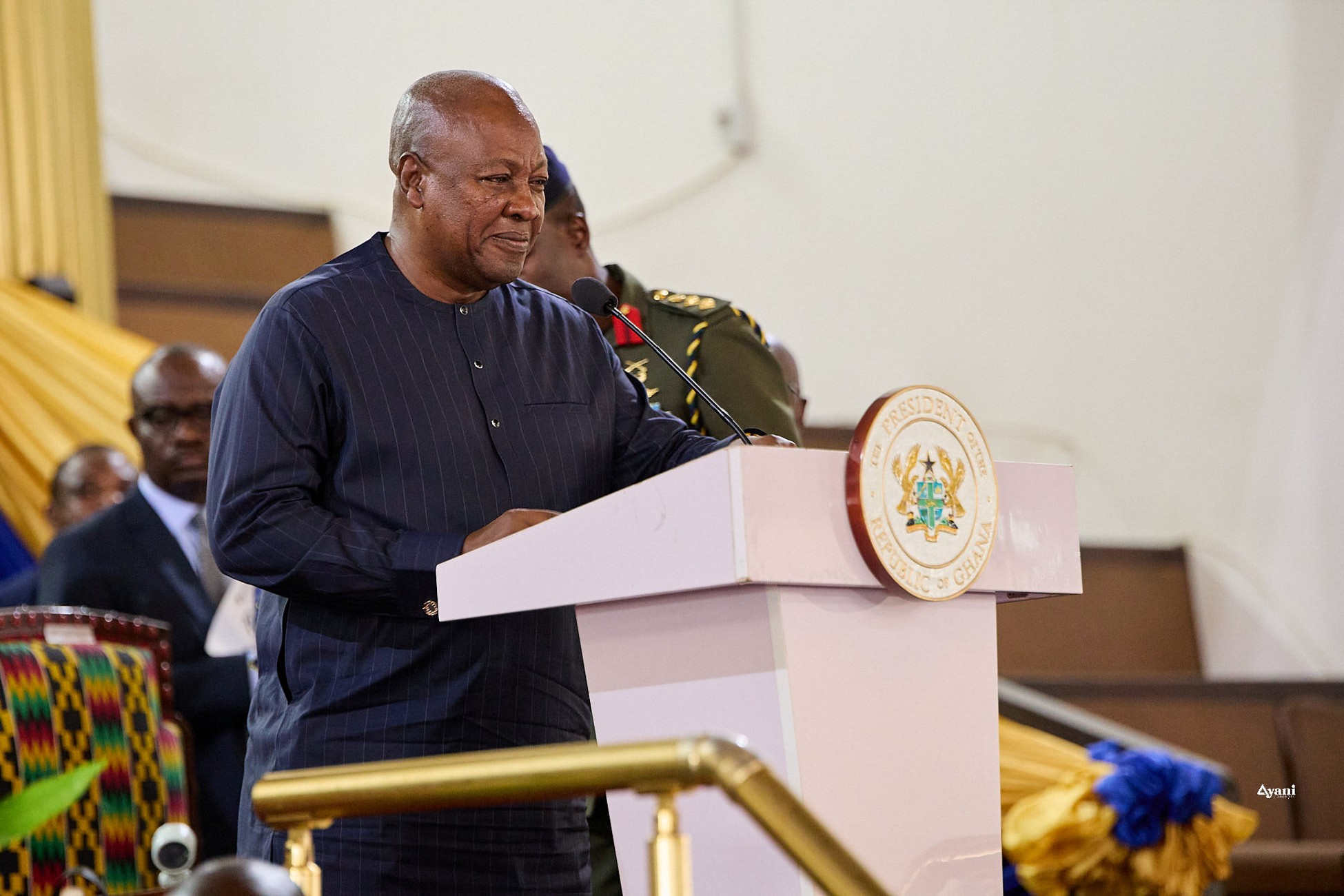
Introduction

The Annual New Year School and Conference (ANYSC) is the flagship public engagement and continuing education programme of the School of Continuing and Distance Education (SCDE), College of Education, University of Ghana. Organized in collaboration with government agencies, development partners, civil society organizations, professional bodies, and other stakeholders, the programme has, for more than seven decades, served as a distinguished national platform for dialogue, learning, policy engagement, and civic participation.

Our History

The origins of the Annual New Year School and Conference can be traced to the former Department of Extra-Mural Studies of the University of Ghana, now the School of Continuing and Distance Education. Established to promote adult education and community engagement, the initiative sought to provide opportunities for citizens from diverse backgrounds to discuss development issues and contribute meaningfully to nation-building.

One of the earliest activities associated with the programme was a voluntary work camp organized in Komenda in the Central Region in 1949. The camp brought together students who engaged in community service and participatory development activities designed to improve local living conditions while promoting civic responsibility and social awareness.
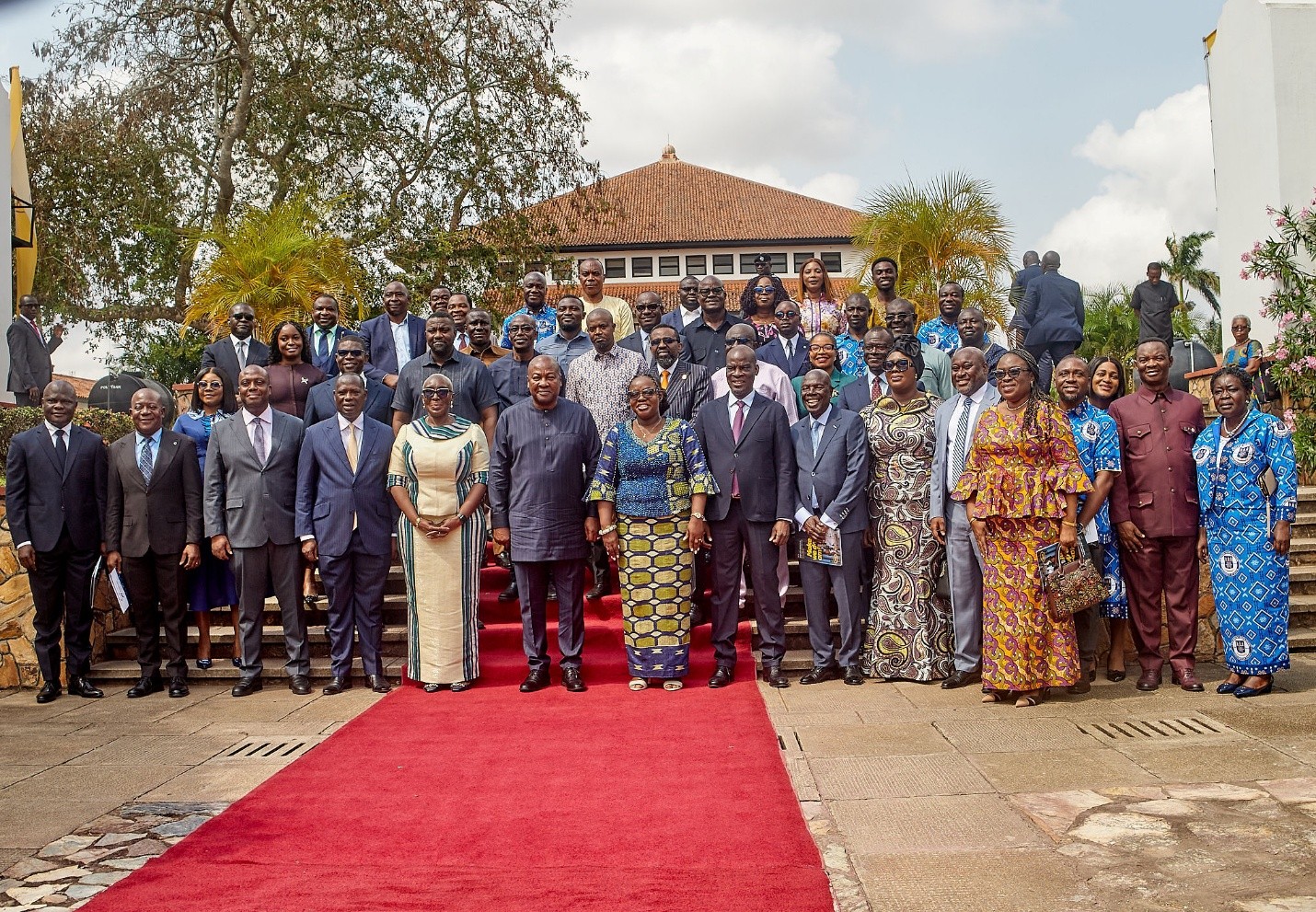
Our Growth, Purpose, Impact and Contribution

The programme provides a unique opportunity for participants to examine critical national and global issues through structured dialogue, expert presentations, panel discussions, workshops, and community engagement activities. Typically organized as a four-day residential event in January, the Conference promotes intensive interaction, collaborative learning, and consensus-building among stakeholders.

A distinctive feature of the Conference is the preparation of a formal communiqué that captures key observations, resolutions, and recommendations arising from the deliberations. These communiqués are submitted to government institutions and relevant stakeholders to inform policy formulation, programme implementation, and national development planning.